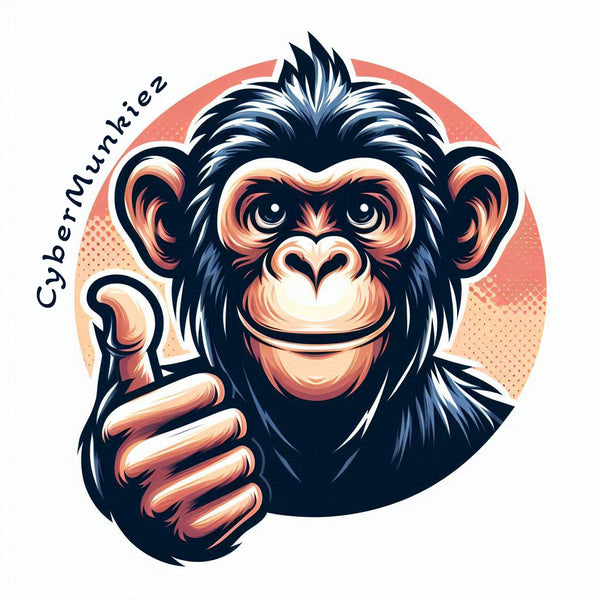

Tattoo-Inspired Primate Art for Graphic Apparel
Share
Tattoo-Inspired Primate Art for Graphic Apparel answers a focused question within the broader primate art and graphic styles topic. Bold outlines, controlled shading, and symbolic framing borrow tattoo vocabulary without copying an artist’s work. This guide explains the decision in plain language, shows what to check, and keeps the advice connected to realistic product details, wildlife ethics, or research evidence.
Quick Answer
Bold outlines, controlled shading, and symbolic framing borrow tattoo vocabulary without copying an artist’s work. The useful next step is to verify the details that apply to the specific product, place, animal, or study rather than relying on a broad label.
Why This Topic Matters
Primate art combines anatomy, expression, composition, color, and cultural references. A recognizable subject does not require photographic realism, but the visual hierarchy should make the idea readable at the scale where it will appear.
For tattoo-inspired primate art for graphic apparel, the goal is not to memorize a rule. It is to understand which signals are reliable, which details can vary, and what action keeps the choice practical and responsible.
A Step-by-Step Approach
- Step 1: Choose the intended mood and viewing distance. Relate this step directly to tattoo-inspired primate art for graphic apparel.
- Step 2: Reduce the idea to one dominant visual statement. Relate this step directly to tattoo-inspired primate art for graphic apparel.
- Step 3: Test contrast on the intended background color. Relate this step directly to tattoo-inspired primate art for graphic apparel.
- Step 4: Review references and avoid copying another artist’s composition. Relate this step directly to tattoo-inspired primate art for graphic apparel.
What to Check Before Deciding
- Purpose: define what a successful result looks like before comparing options.
- Evidence: use measurements, product details, wildlife rules, or research methods that can be checked.
- Context: account for the individual, location, species, audience, or setting.
- Follow-through: confirm care, delivery, ethics, or monitoring after the initial decision.
Common Mistakes
Style inspiration is different from imitation. Original work should transform references and respect artists, cultures, and protected intellectual property.
Another common mistake is treating a memorable example as proof that the same answer applies everywhere. Clear definitions and a short checklist prevent most avoidable errors.
Frequently Asked Questions
What is the main takeaway from Tattoo-Inspired Primate Art for Graphic Apparel?
Bold outlines, controlled shading, and symbolic framing borrow tattoo vocabulary without copying an artist’s work. Use that principle as a filter, then confirm the details relevant to your situation.
Can the answer vary?
Yes. Fit preferences, colors, recipients, events, artistic goals, wildlife settings, communities, and research designs all introduce meaningful differences. Good guidance explains those limits.
Where can I compare related topics?
Return to the Primate Art Styles for Shirts Prints and Gifts for the complete cluster.
Continue Exploring
Read Collage-Style Monkey Art and Layered Visual Stories or continue to Vintage Poster Style for Monkey Graphics. You can also browse all CyberMunkiez products.
Follow a Five-Minute Workflow
Use this compact workflow when tattoo-inspired primate art for graphic apparel needs a practical answer without a long research session.
- Define: rewrite the goal in one sentence.
- Verify: check the single most important factual detail.
- Compare: place the leading option beside one realistic alternative.
- Screen: look for a safety, ethics, fit, credibility, or timing problem.
- Decide: choose the next reversible action and note what would change your mind.
Bold outlines, controlled shading, and symbolic framing borrow tattoo vocabulary without copying an artist’s work. Use this as the verification step or as the principle that guides the comparison.
The workflow is short enough for routine use but structured enough to expose weak assumptions. If the decision has high cost, wildlife risk, community impact, or scientific importance, expand each step and consult qualified sources rather than forcing an immediate answer.